Feeding Families and the little bodega
issue
Livelihoods Lost | Hungry Homes
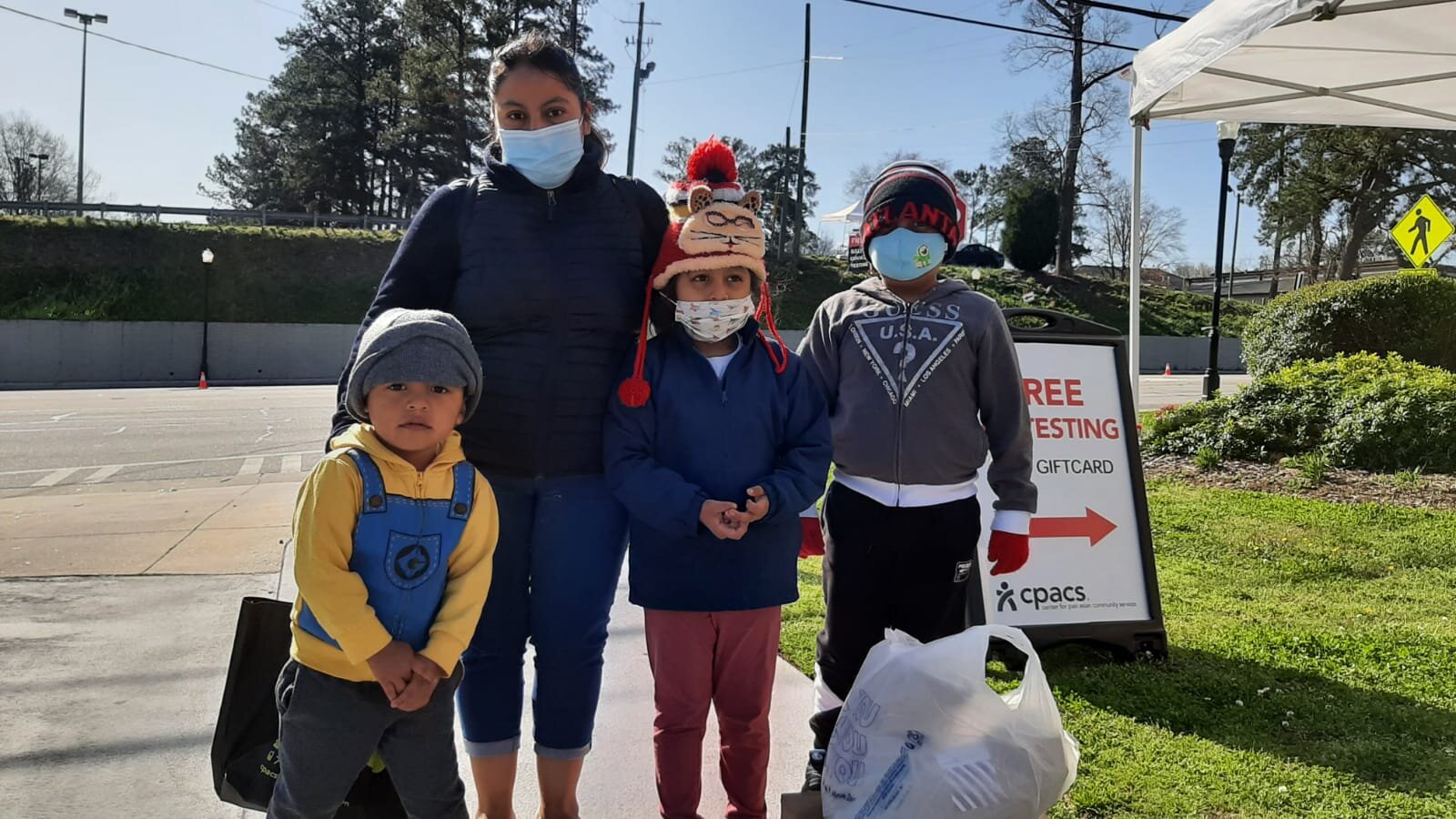
When the COVID-19 pandemic hit in early 2020, people needed food. Families along the Buford Highway corridor, were hungry, and when schools closed, children stopped receiving meals. Food-relief programs often marginalized families who did not have a mode of transportation, who were not fluent English speakers, and who did not provide ID for registration.
Immigrant households, like those along Buford Highway, are often multi-generational, with many mouths to feed. With businesses struggling, breadwinners lost their jobs. Early on in January 2020, businesses were already seeing a 40%-60% drop in customers.
A challenge for many was access to employment. Many of our Buford Highway residents are essential workers—restaurant workers, hospitality, health care, contractors or gig workers—and once the shelter-in-place order was implemented, people panicked. There was a spike in the need for access to food in our BIPOC communities.

action
A Care Initiative | Food Insecurity and Foodways
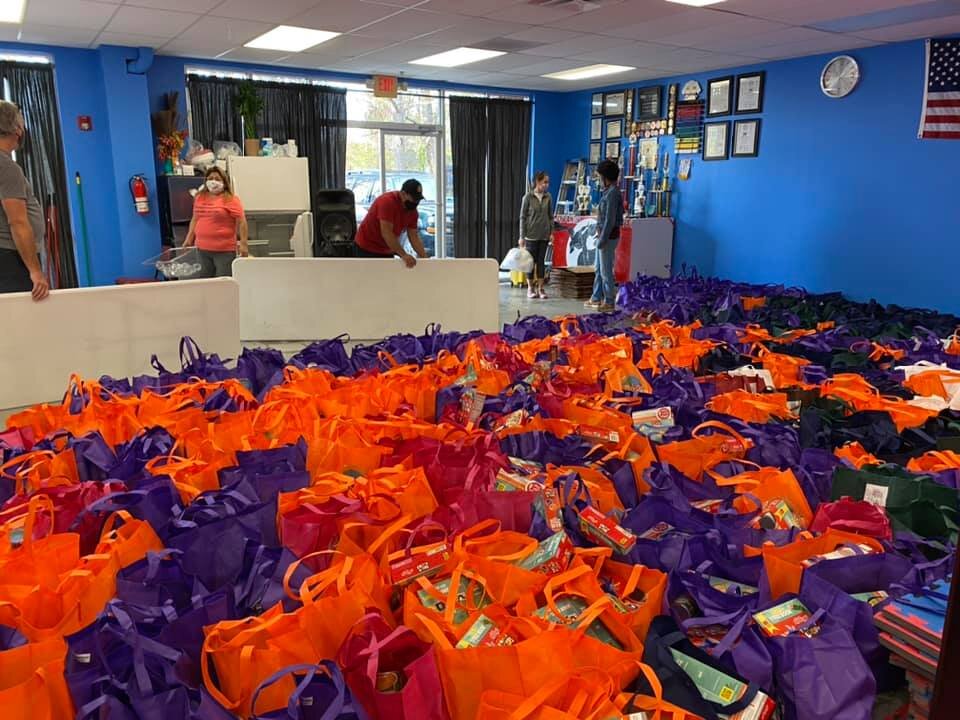
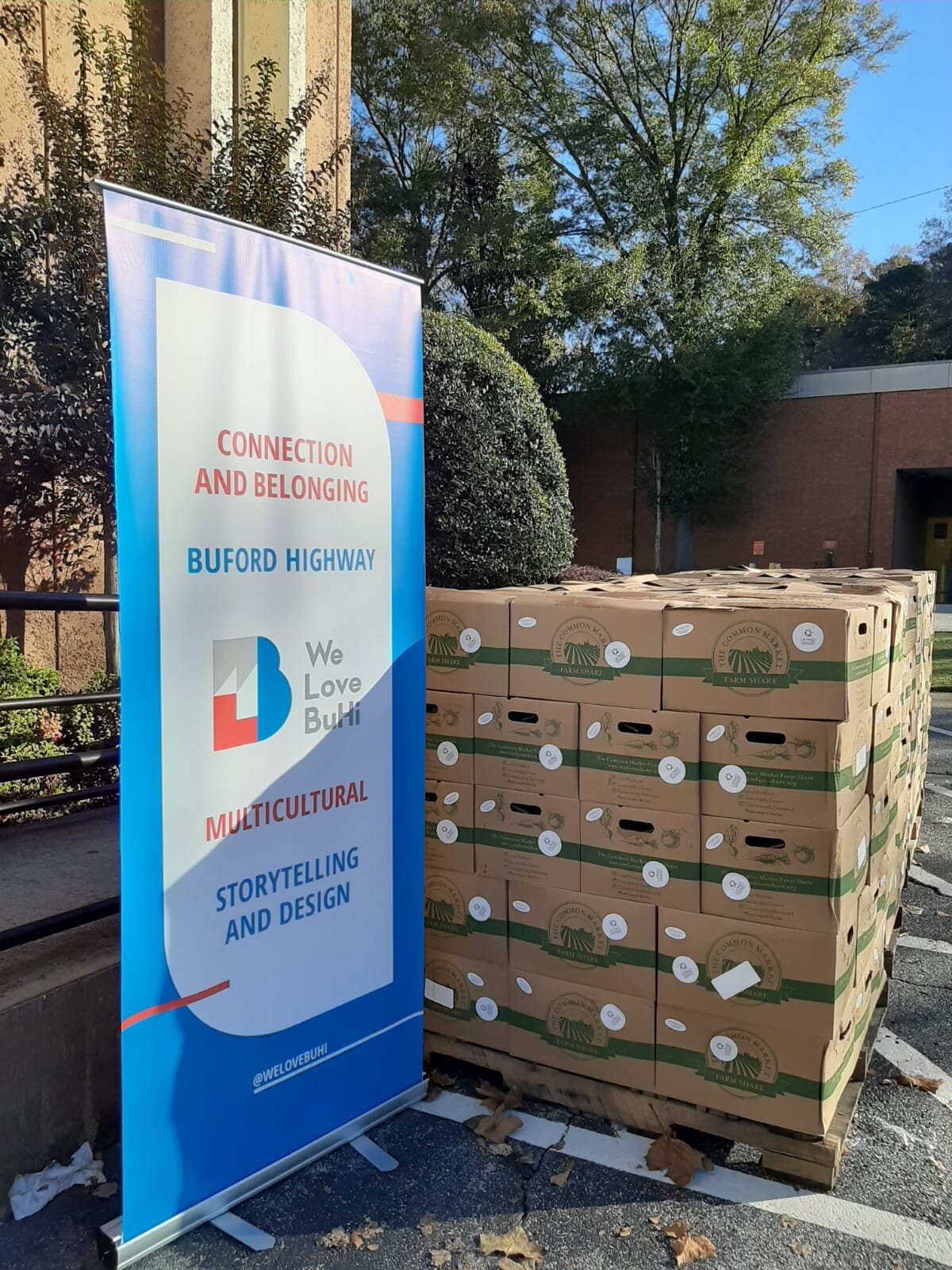
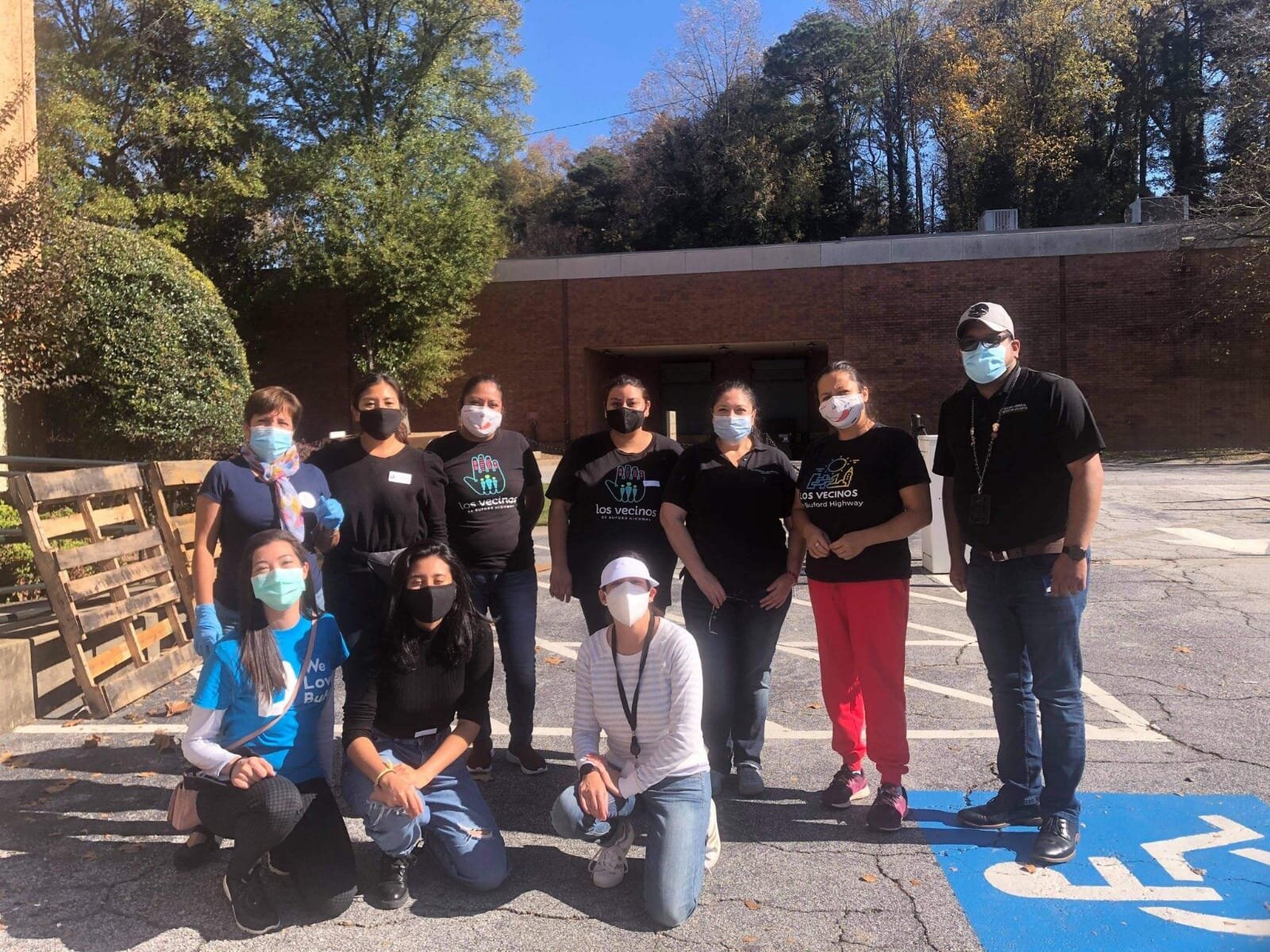
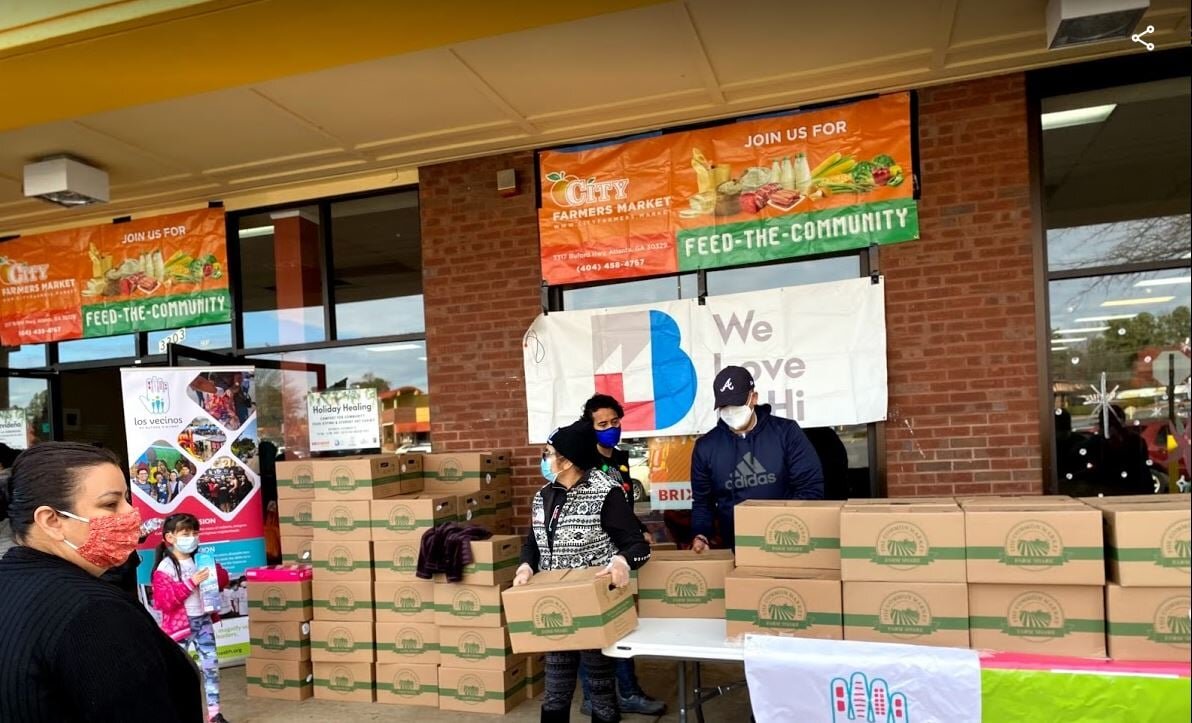
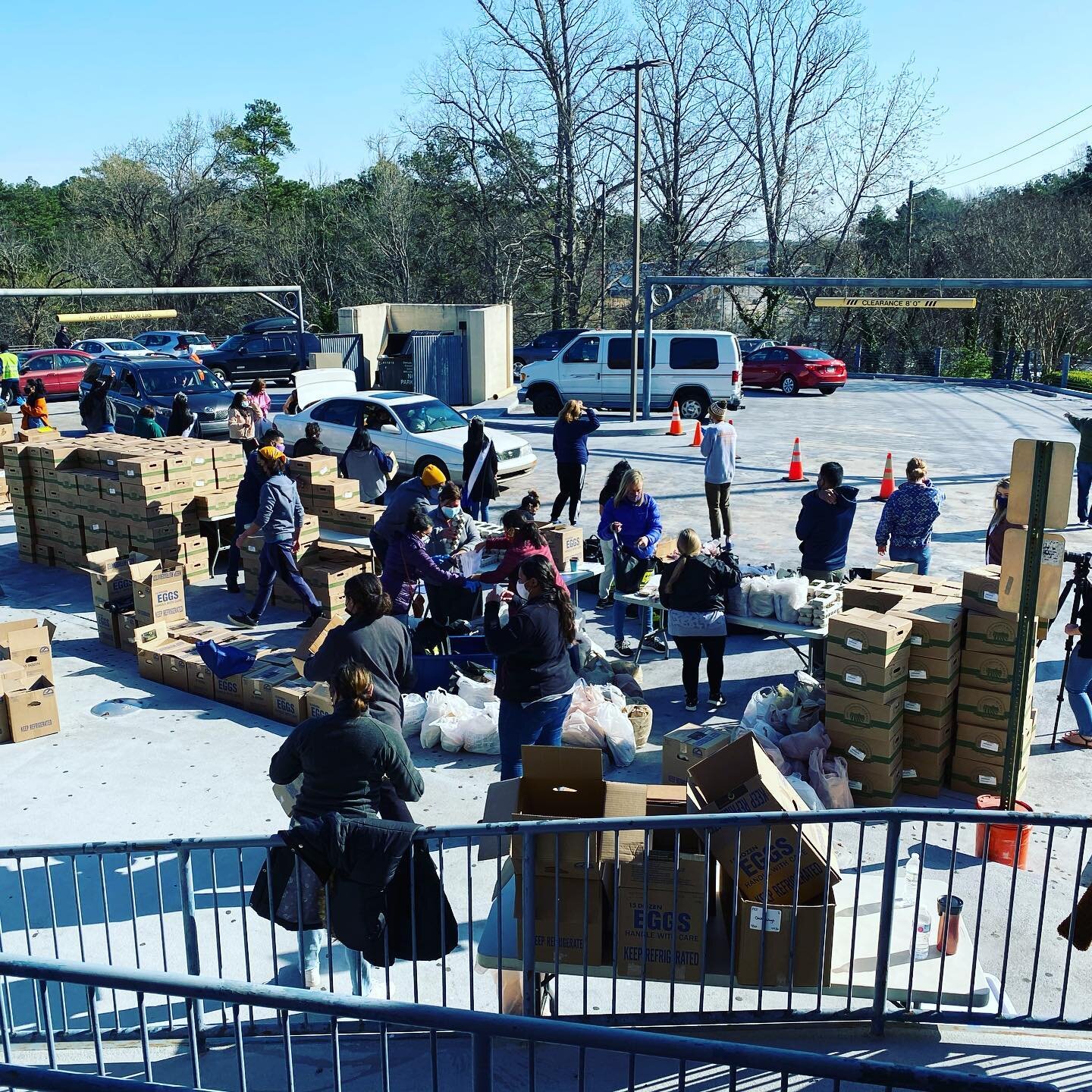
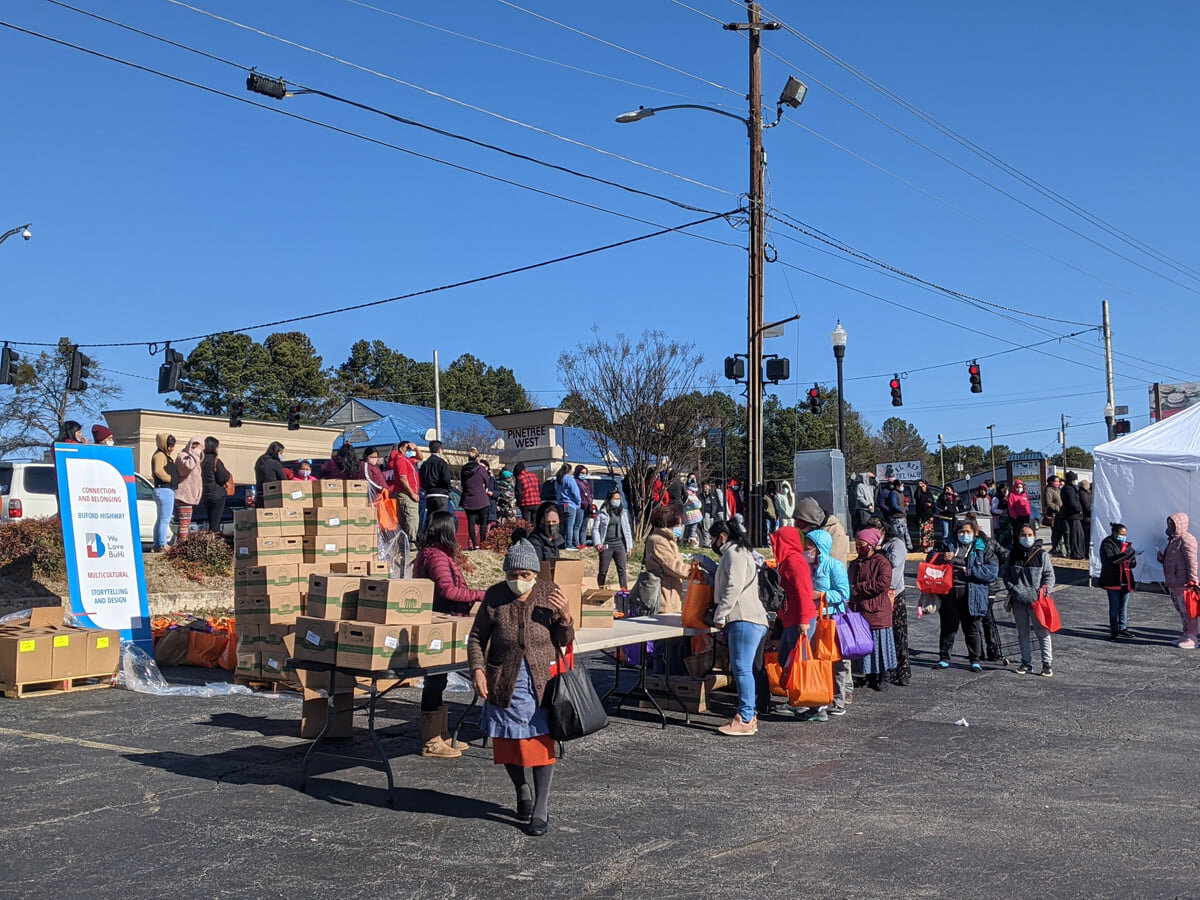
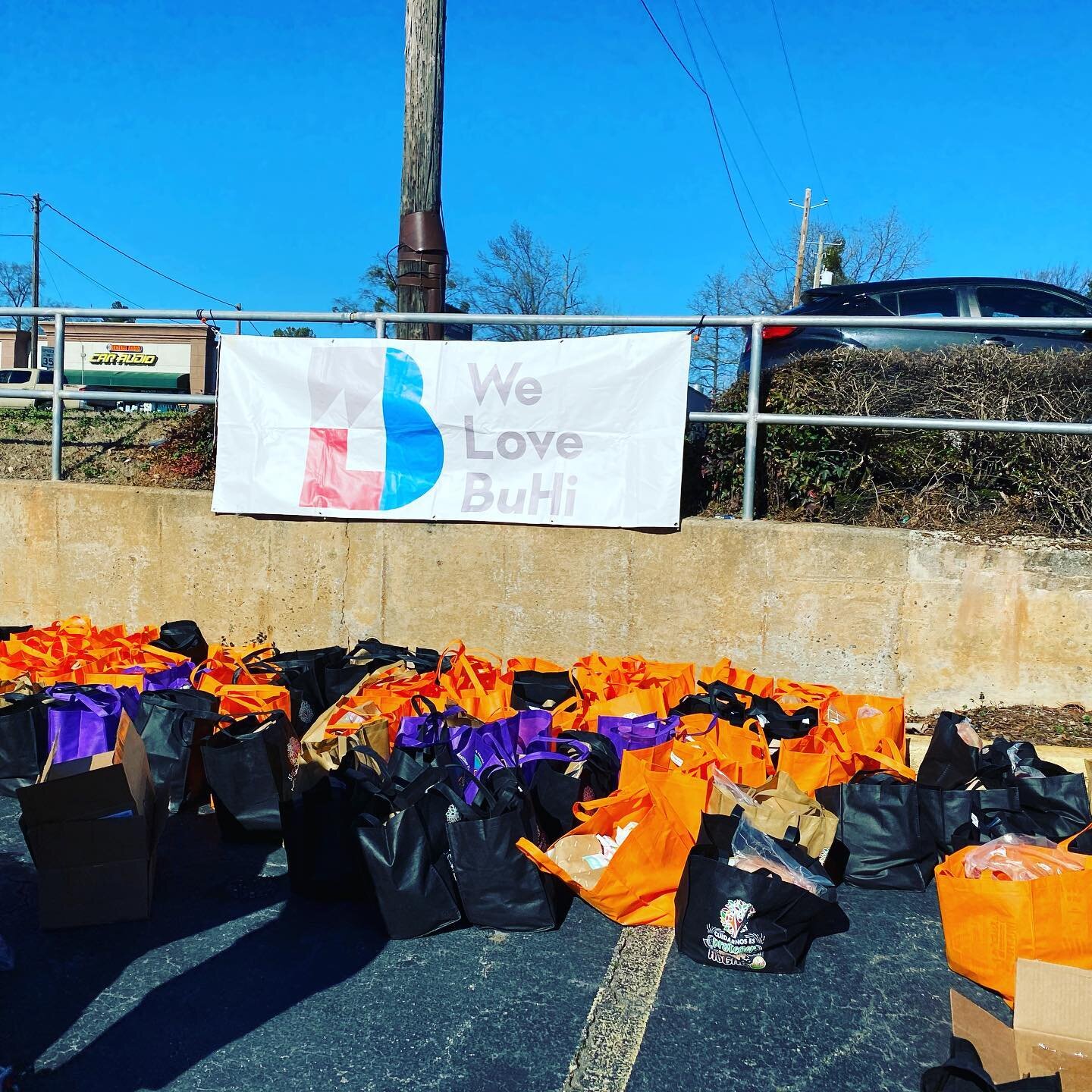
From April through July, We Love Buford Highway and a collective of non-profit organizations fed 52,000 people (17,000 families) delivering daily meals to people’s homes. In November of 2020, we launched the Feeding Families of Buford Highway Project which commits to feed children and families with nutritious foods impacting nearly 22,000 individuals in 2021.
The agency recognizes three factors that are important to its people: culturally-centric foods, convenience (language and proximity), and access to other resources.
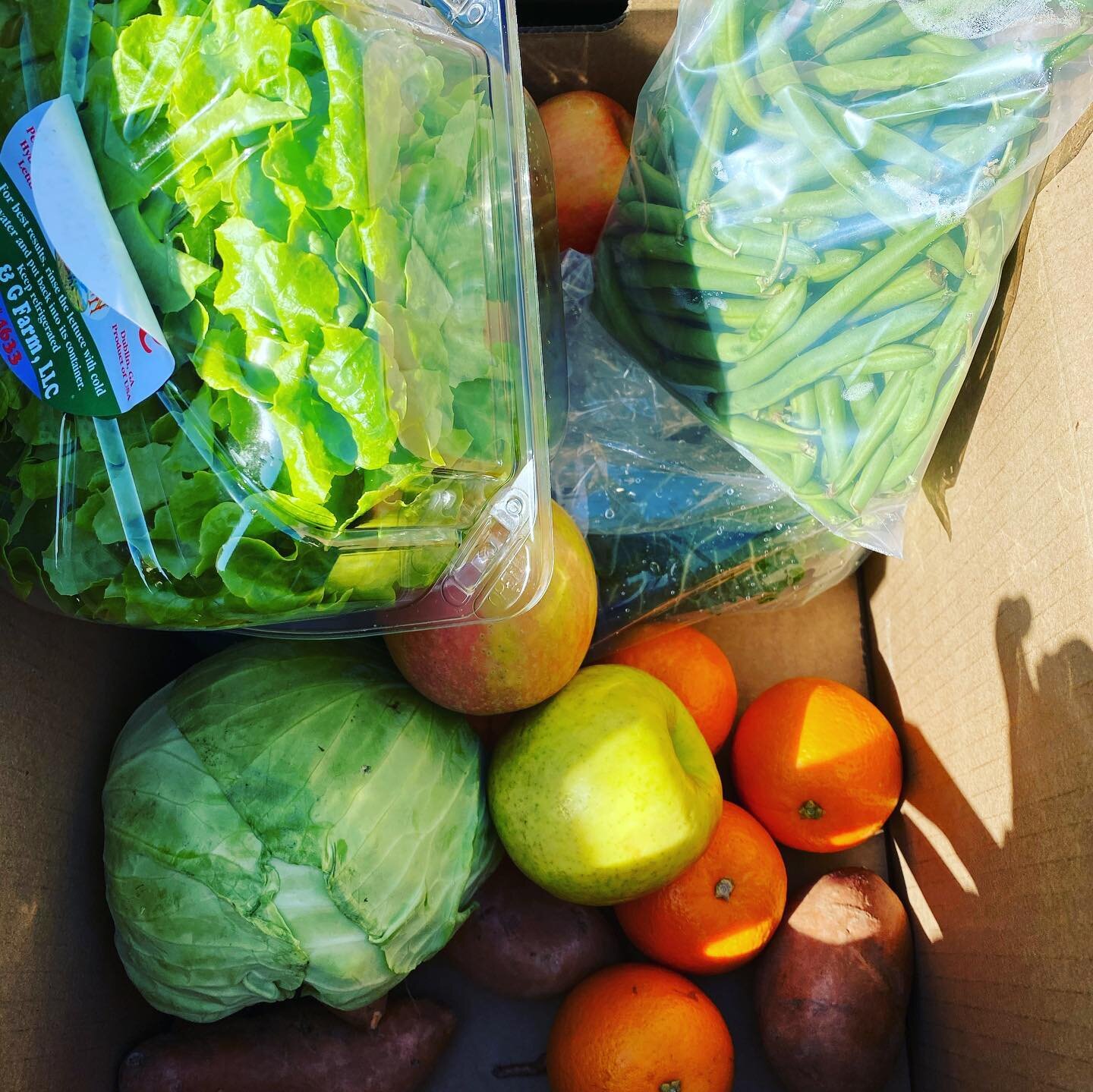
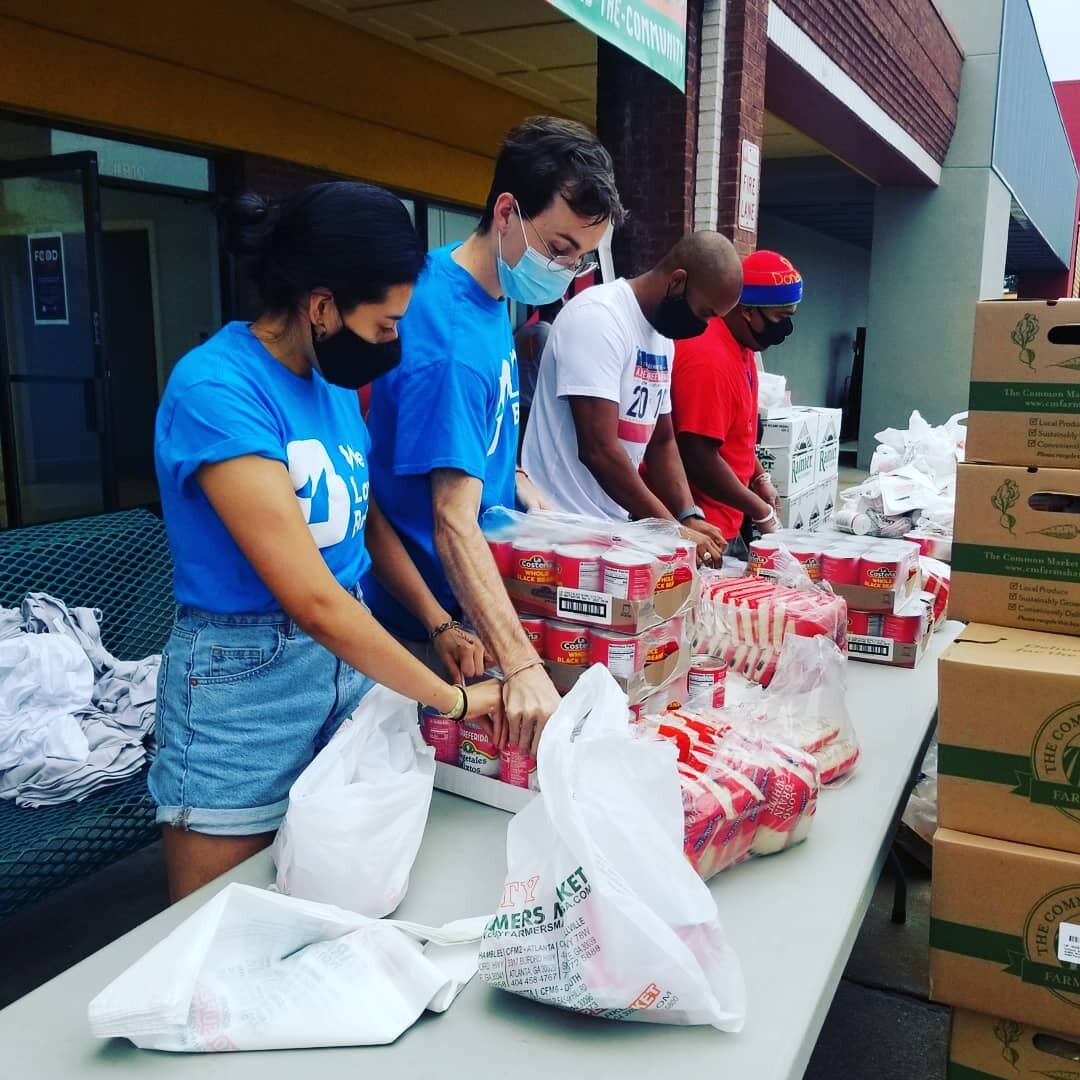
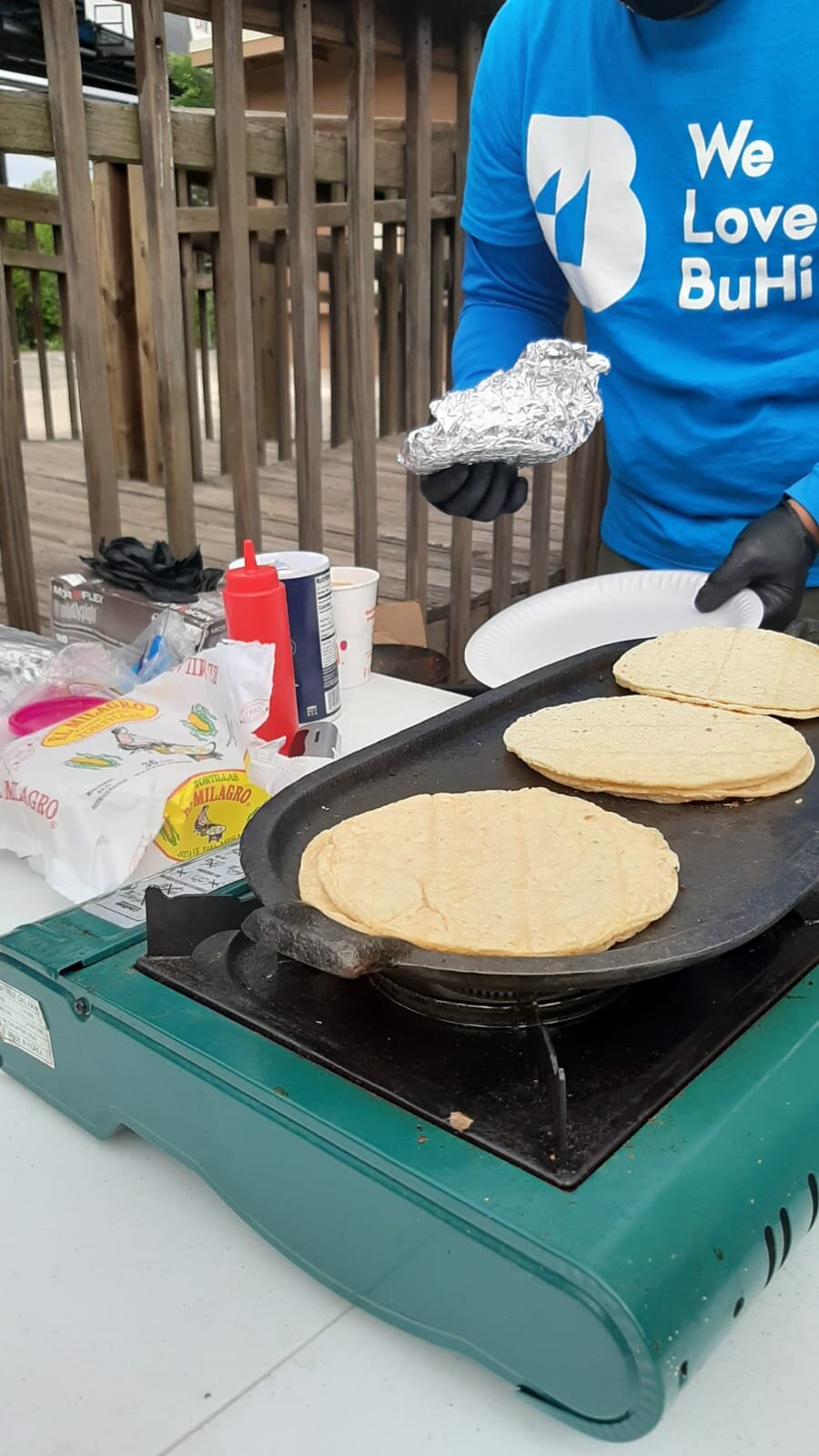
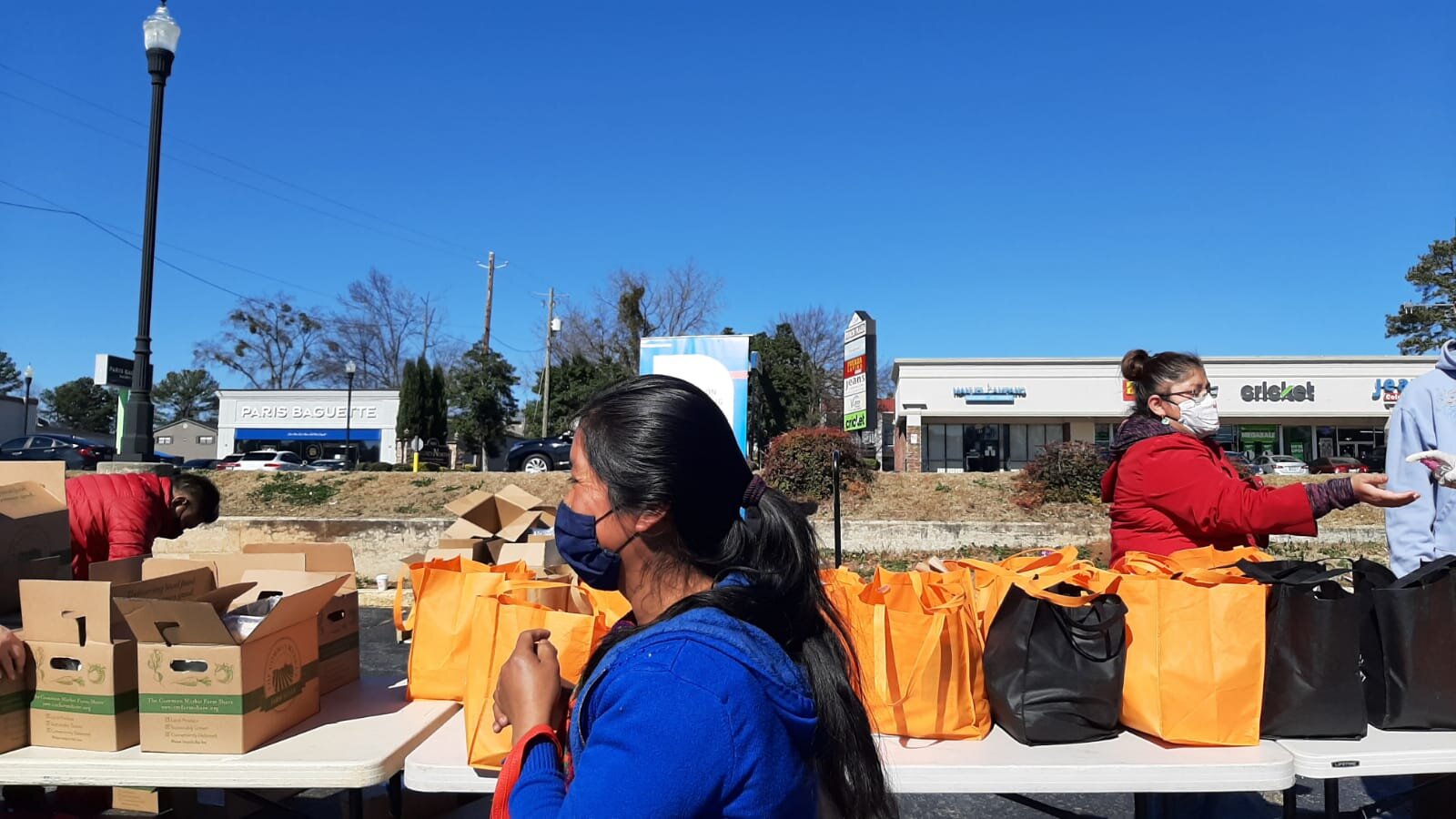
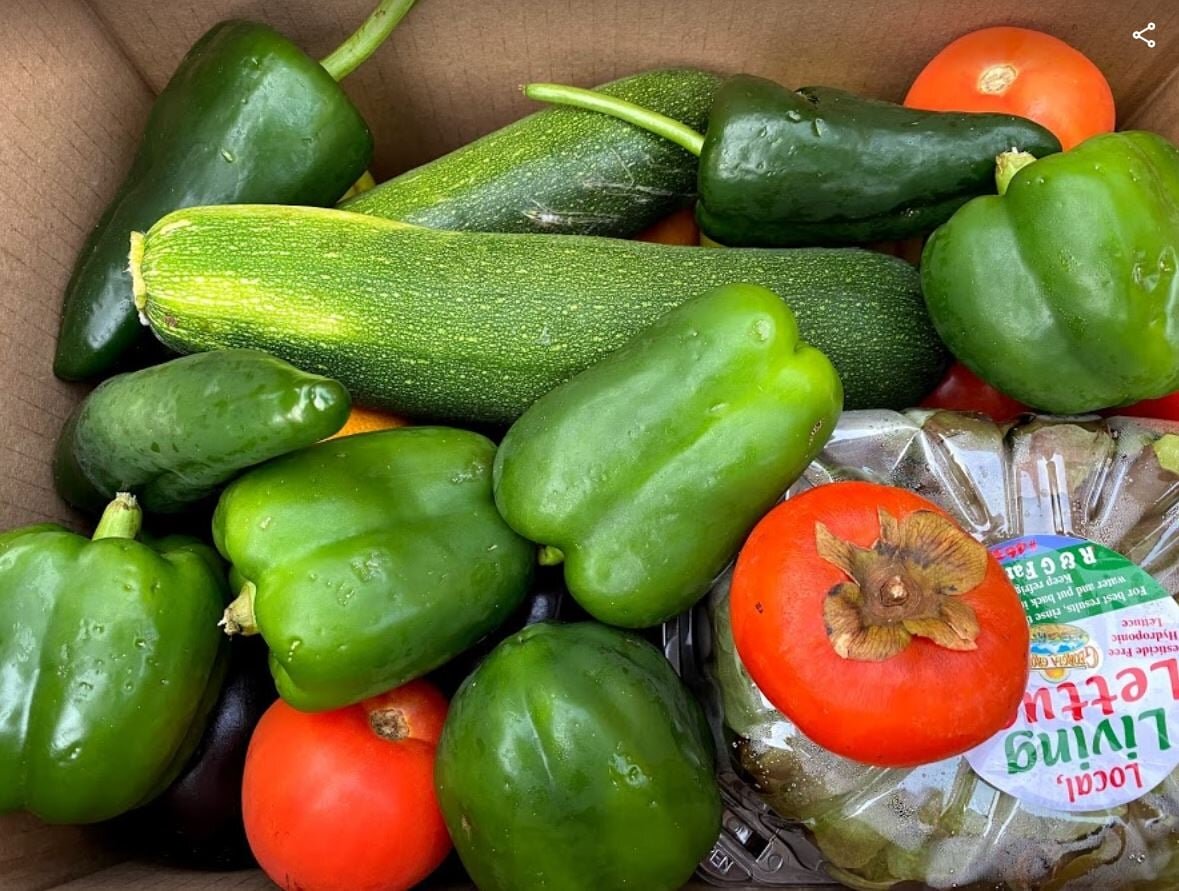
We take great pride in our ability to curate culturally-centric boxes that include foods like rice, dry beans, tortillas, potatoes, apples, green peppers, persimmons, jalapeños, and radishes: ingredients that fit directly into recipes that fill communities with familiar comforts. We achieve this by partnering with local supermarkets who understand the needs and the products that Buford Highway families enjoy the most.
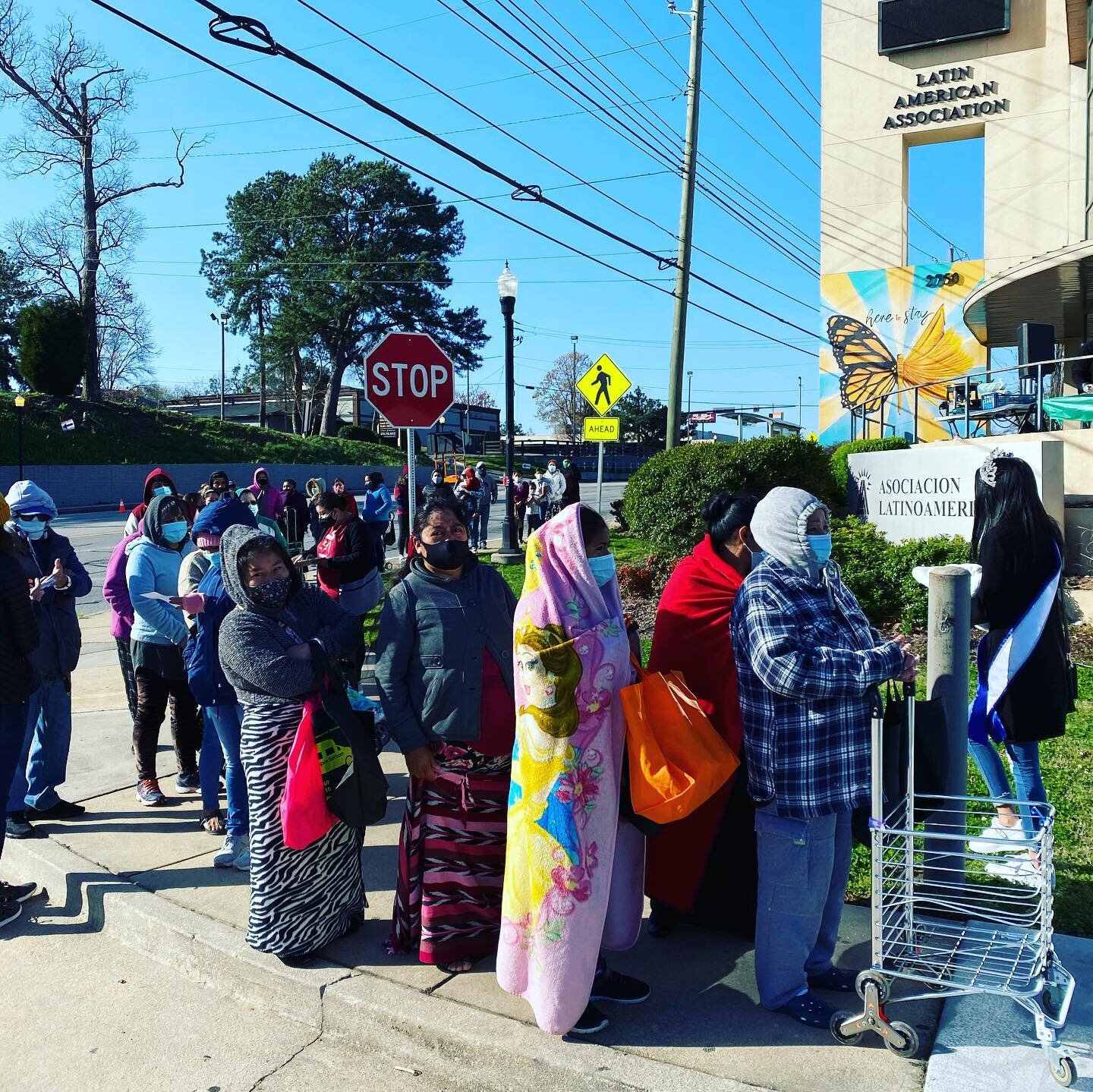
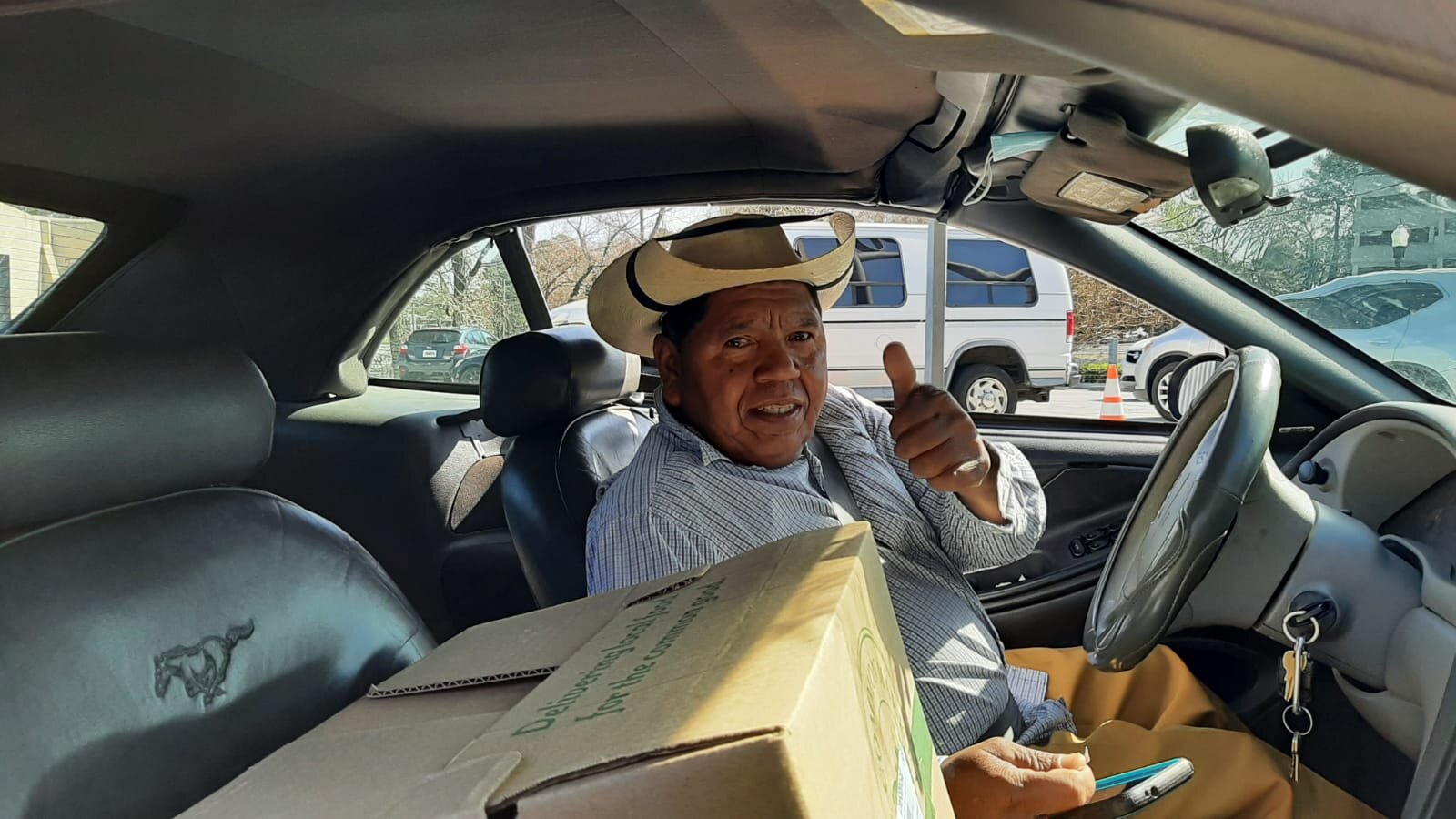
In addition, distribution sites are coordinated with program partners in locations that are convenient to communities: existing destinations such as consulates, strip-malls, and schools are part of daily routes and people are familiar commuting to these cultural hubs.
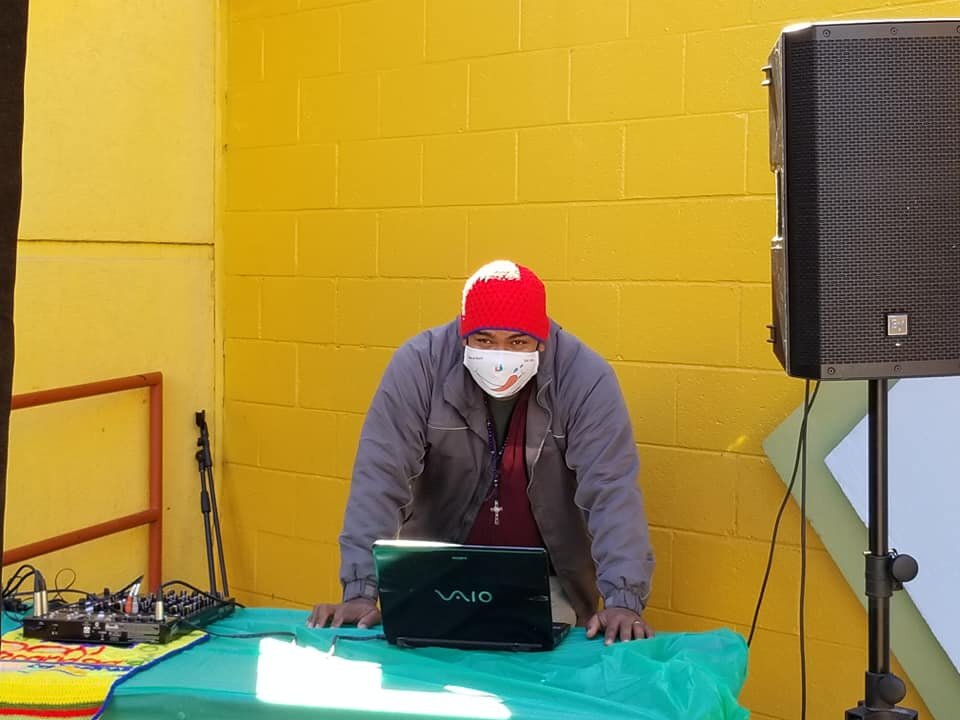
Finally, we provide our community with access to other resources by building feel-good event themes that bring volunteers and sister organizations level-deep into understanding community perspectives and barriers.
IMPACT
Healing Hunger | Sharing Solidarity
In order to measure the success of our project, We Love Buford Highway collects baseline data with dignity, not social services. This quantitative research generates numerical and measurable data that turns the tangible needs of our communities into valuable statistics that can help us understand the state of need in our area and ensures food-access and resource allocation for Buford Highway families.
Our data shows that we reach between 200-300 families per event mobile, and 40-50 families on a monthly basis at our Little Bodega.
Our Care Initiative has fostered a sense of trust that will facilitate future programs that target access to health and well-being services for immigrant communities who call the corridor, home.